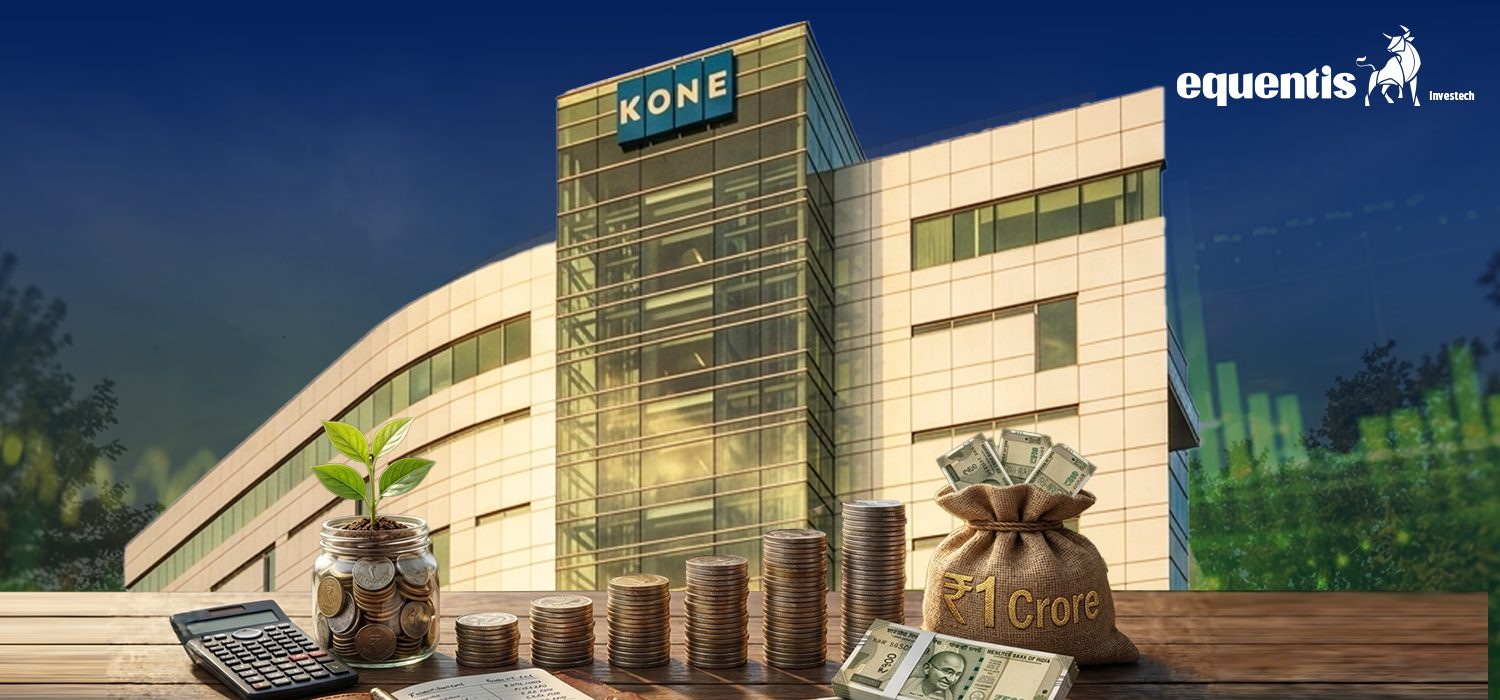
Global elevator giant KONE Corporation has announced a €29.4 billion acquisition of TK Elevator—a move that will create the world’s largest elevator and escalator company.
While the headline highlights scale, the real story lies in what this deal signals for investors: a shift toward consolidation, recurring revenue, and global dominance in industrial sectors.
What Is the Kone-TK Elevator Deal About?
The acquisition is structured through a combination of:
- €5 billion in cash
- €15.2 billion in shares
- Assumption of €9.2 billion in debt
Post-merger, the combined entity is expected to:
- Generate over €20 billion in annual revenue
- Employ more than 100,000 people globally
This deal also marks one of the largest private equity exits in Europe, reflecting strong institutional confidence in the sector.
Why This Deal Matters for Investors
At its core, this acquisition reflects three major structural investment trends.
1. Shift Toward Recurring Revenue Models
A significant portion of the combined company’s revenue will come from:
- Maintenance services
- Modernisation contracts
- Long-term service agreements
In fact, nearly 65% of revenue is expected from services and modernization, making the business less cyclical and more predictable.
For investors, this means:
- Stable cash flows
- Better margin visibility
- Higher valuation potential
2. Global Diversification Strategy
The deal helps Kone strengthen its presence in the Americas, where TK Elevator has a strong footprint.
This is important because:
- Demand in China has slowed significantly
- Companies are diversifying geographically to reduce risk
For investors, diversification reduces exposure to:
- Regional downturns
- Policy changes
- Sector-specific slowdowns
3. Industry Consolidation = Long-Term Advantage
This merger is part of a broader global consolidation trend in industrial sectors.
With consolidation:
- Market leaders gain pricing power
- Operational efficiencies improve
- Smaller competitors struggle to compete
The deal is expected to generate €700 million in annual cost synergies, enhancing profitability over time.
Key Risks Investors Should Watch
Despite strong strategic intent, the deal comes with challenges:
Regulatory Scrutiny
Large-scale mergers often face antitrust investigations, potentially delaying completion by 12–18 months.
Integration Risk
Combining operations across geographies can lead to:
- Execution delays
- Cultural mismatches
- Slower synergy realization
Financial Leverage
Taking on €9+ billion in debt increases financial pressure if growth expectations are not met.
The Bigger Investment Insight
This deal is not just about elevators—it reflects how industries evolve:
- From product-based to service-driven models
- From regional players to global leaders
- From fragmented markets to consolidated ecosystems
Such transitions often create long-term wealth creation opportunities—but only for investors who identify them early.
How Investors Can Benefit from Such Trends
Tracking such large-scale shifts requires more than following headlines.
This is where research-driven platforms like Equentis Investech play a role.
Their Research & Ranking approach focuses on:
- Identifying high-growth sectors early
- Shortlisting fundamentally strong companies
- Aligning investments with long-term wealth creation
Because in markets, timing the trend matters more than reacting to it.
Final Takeaway
The Kone-TK Elevator deal is a clear signal of where global capital is moving:
- Toward scale
- Toward recurring revenue
- Toward market leadership
For investors, the takeaway is simple:
The biggest opportunities don’t come from news—they come from understanding the shift behind the news.
FAQ Section
Q1. Why is the Kone-TK Elevator deal important?
It creates the world’s largest elevator company and signals consolidation in the industrial sector.
Q2. What are the key benefits of this merger?
Stronger global presence, recurring revenue growth, and cost synergies.
Q3. What risks should investors consider?
Regulatory approvals, integration challenges, and increased debt.