
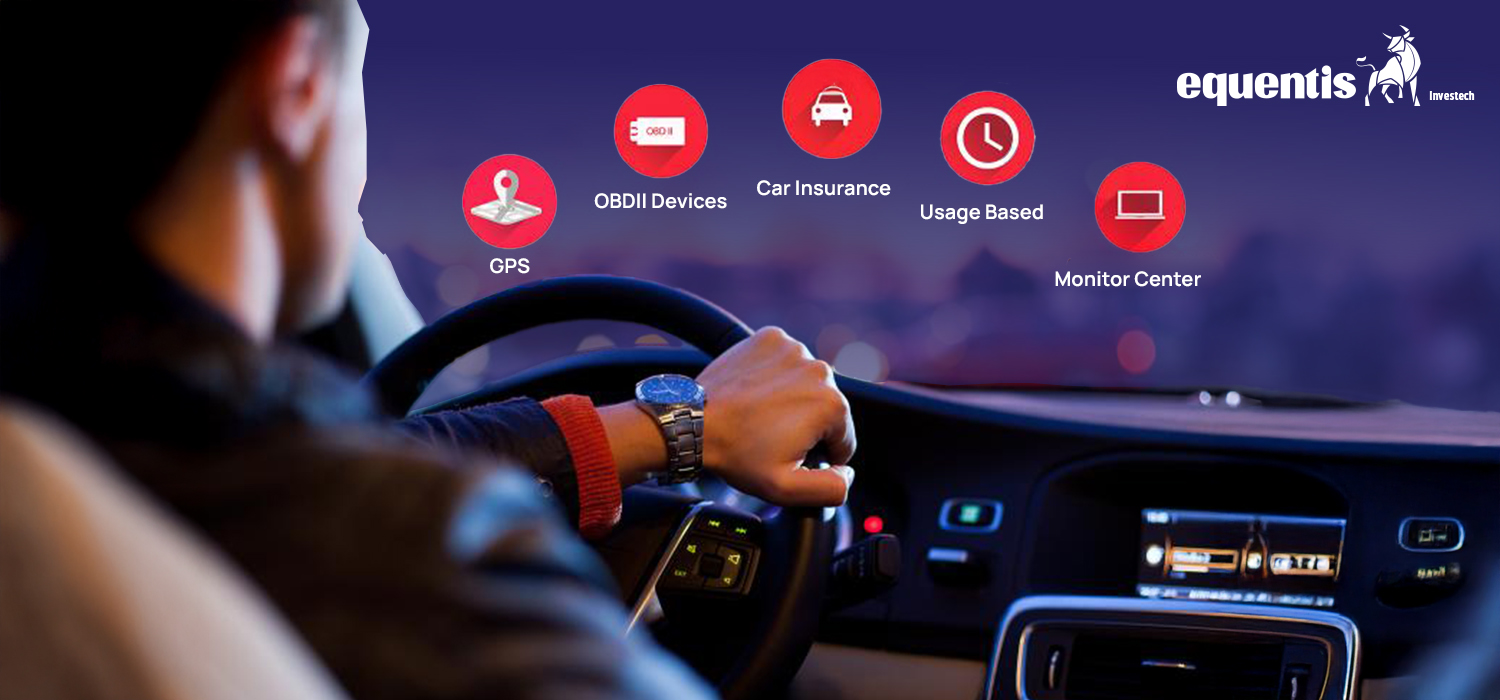
Introduction: Motor Insurance Is No Longer One-Size-Fits-All
For decades, motor insurance premiums in India were calculated using broad factors:
- Vehicle type
- Engine capacity
- City of registration
- Age of the vehicle
- No-Claim Bonus (NCB)
Two drivers with completely different driving habits often paid similar premiums.
But that model is changing.
In 2026, telematics and usage-based insurance in India are reshaping how motor premiums are calculated — shifting from static pricing to behaviour-based pricing.
Your driving habits now matter more than ever.
What Is Telematics?
Telematics combines:
- GPS tracking
- Vehicle sensors
- Mobile applications
- Real-time data analytics
It collects data related to:
- Distance travelled
- Speed patterns
- Braking behaviour
- Acceleration habits
- Cornering style
- Time of driving (day/night)
- Route risk profile
This data helps insurers assess actual driving risk.
What Is Usage-Based Insurance (UBI)?
Usage-Based Insurance (UBI) is a motor insurance model where premiums are influenced by:
- How much you drive
- How safely you drive
Instead of paying a fixed annual premium based on assumptions, your premium reflects real-world behaviour.
In simple terms:
Drive safer → Pay less.
Why India Is Adopting Telematics in 2026
Several factors are accelerating adoption:
- Rising accident rates
- Increasing repair costs
- Growing digital penetration
- Smartphone-driven ecosystems
- Regulatory flexibility for innovation
As vehicles become more connected, insurance is becoming smarter.
Types of Usage-Based Insurance Models in India
1. Pay-As-You-Drive (PAYD)
Premium depends on:
- Kilometres driven annually
Ideal for:
- Low-mileage drivers
- Work-from-home professionals
- Secondary car owners
If you drive less, you pay less.
2. Pay-How-You-Drive (PHYD)
Premium depends on:
- Driving behaviour
Safe drivers with:
- Smooth braking
- Moderate speed
- Low night driving
- Controlled acceleration
May receive discounts.
3. Hybrid Models
Some insurers combine:
- Distance + Driving behaviour
This provides a more personalised pricing structure.
How Telematics Data Impacts Your Premium
Insurers calculate a driving score based on collected data.
Factors typically include:
- Harsh braking frequency
- Rapid acceleration
- Speed limit violations
- High-risk route exposure
- Late-night driving frequency
A higher safety score can lead to:
- Premium discounts
- Renewal incentives
- Additional rewards
Unsafe driving patterns may prevent discounts.
Benefits for Drivers
1. Fair Pricing
Previously, cautious drivers indirectly subsidised reckless drivers.
With telematics and usage-based insurance in India, risk-based pricing becomes more equitable.
2. Incentive to Drive Safely
Knowing your behaviour affects premiums encourages:
- Defensive driving
- Reduced speeding
- Better road discipline
This can reduce accident rates long term.
3. Cost Savings for Low-Mileage Users
Urban professionals working remotely may drive less than 5,000 km annually.
Traditional policies did not reward this reduced usage.
Now they do.
4. Real-Time Driving Feedback
Some telematics apps provide:
- Driving insights
- Risk alerts
- Performance summaries
This improves driving awareness.
Benefits for Insurers
Telematics helps insurers:
- Reduce fraudulent claims
- Assess risk more accurately
- Improve underwriting precision
- Offer dynamic pricing
Better data means better pricing models.
Privacy Concerns: What Drivers Worry About
One major hesitation is data privacy.
Common concerns include:
- Location tracking
- Behaviour monitoring
- Data misuse
- Cybersecurity risks
In 2026, insurers are required to disclose:
- What data is collected
- How it is used
- Data retention policies
Drivers must provide consent for telematics-based plans.
Understanding terms before opting in is crucial.
Is Telematics Mandatory?
No.
Usage-based insurance in India is currently optional.
Drivers can choose:
- Traditional comprehensive policy
- Telematics-based policy
It is a voluntary model aimed at personalised pricing.
Real-Life Example
Driver A:
- Drives 3,000 km annually
- Maintains moderate speeds
- Rarely drives at night
Under traditional pricing:
Pays ₹12,000 premium.
Under PAYD model:
May pay significantly lower premium.
Driver B:
- Drives aggressively
- Covers 20,000 km annually
- Frequently drives late night
May not receive discounts under UBI model.
Behaviour now impacts cost.
How Telematics Is Changing Motor Premium Psychology
Earlier mindset:
“Insurance premium is fixed. I cannot influence it.”
New mindset:
“My behaviour can reduce my premium.”
This behavioural shift is powerful.
Insurance is moving from reactive protection to proactive risk management.
Add-Ons and Telematics
Telematics does not replace comprehensive coverage.
It works alongside:
- Own damage cover
- Third-party cover
- Add-ons like zero depreciation
- Engine protection
It mainly influences premium pricing and discounts.
Challenges in Adoption
Despite benefits, adoption faces hurdles:
1. Awareness Gap
Many drivers are unaware of telematics options.
2. Privacy Fear
Data tracking makes some drivers uncomfortable.
3. Behaviour Adjustment
Not everyone wants their driving monitored.
4. Technological Limitations
Device malfunction or app dependency can cause concerns.
Regulatory Landscape in India
Indian regulators have allowed insurers to:
- Offer telematics-based pilot products
- Experiment with flexible pricing models
- Innovate in motor insurance segment
This flexibility supports digital transformation.
Who Should Consider Usage-Based Insurance?
Telematics and usage-based insurance in India may be ideal for:
- Low-mileage drivers
- Safe and disciplined drivers
- Tech-comfortable users
- Young drivers wanting to prove safe driving habits
- Fleet operators
For aggressive or high-mileage drivers, traditional pricing may be simpler.
Fleet and Commercial Impact
Fleet operators benefit significantly:
- Track driver behaviour
- Reduce accident frequency
- Optimise fuel usage
- Lower insurance costs
Telematics integrates risk control and operational efficiency.
The Future of Motor Premiums in India
In the next 5–10 years, we may see:
- AI-driven premium adjustments
- Real-time risk scoring
- Behaviour-linked micro discounts
- Integration with connected vehicles
- Dynamic renewal pricing
Insurance may shift from annual fixed contracts to dynamic pricing ecosystems.
Does Telematics Replace No-Claim Bonus?
No.
No-Claim Bonus (NCB) still applies in comprehensive policies.
However, telematics adds an extra layer of behavioural pricing on top of claim history.
Should You Switch?
Before choosing a telematics-based plan, ask:
- How many kilometres do I drive annually?
- Am I a disciplined driver?
- Am I comfortable sharing driving data?
- Will potential savings justify monitoring?
If the answer is yes, it may be worth exploring.
Final Thoughts
Telematics and usage-based insurance in India represent a major shift in how motor premiums are calculated.
The traditional model assumed risk.
The new model measures risk.
This transformation brings:
- Fairness
- Transparency
- Incentivised safety
- Cost optimisation
However, it also introduces new considerations around privacy and data consent.
Motor insurance is evolving from a passive expense to an interactive system where your behaviour directly impacts your cost.
In 2026 and beyond, safe driving is no longer just about avoiding accidents.
It may also mean paying lower premiums.